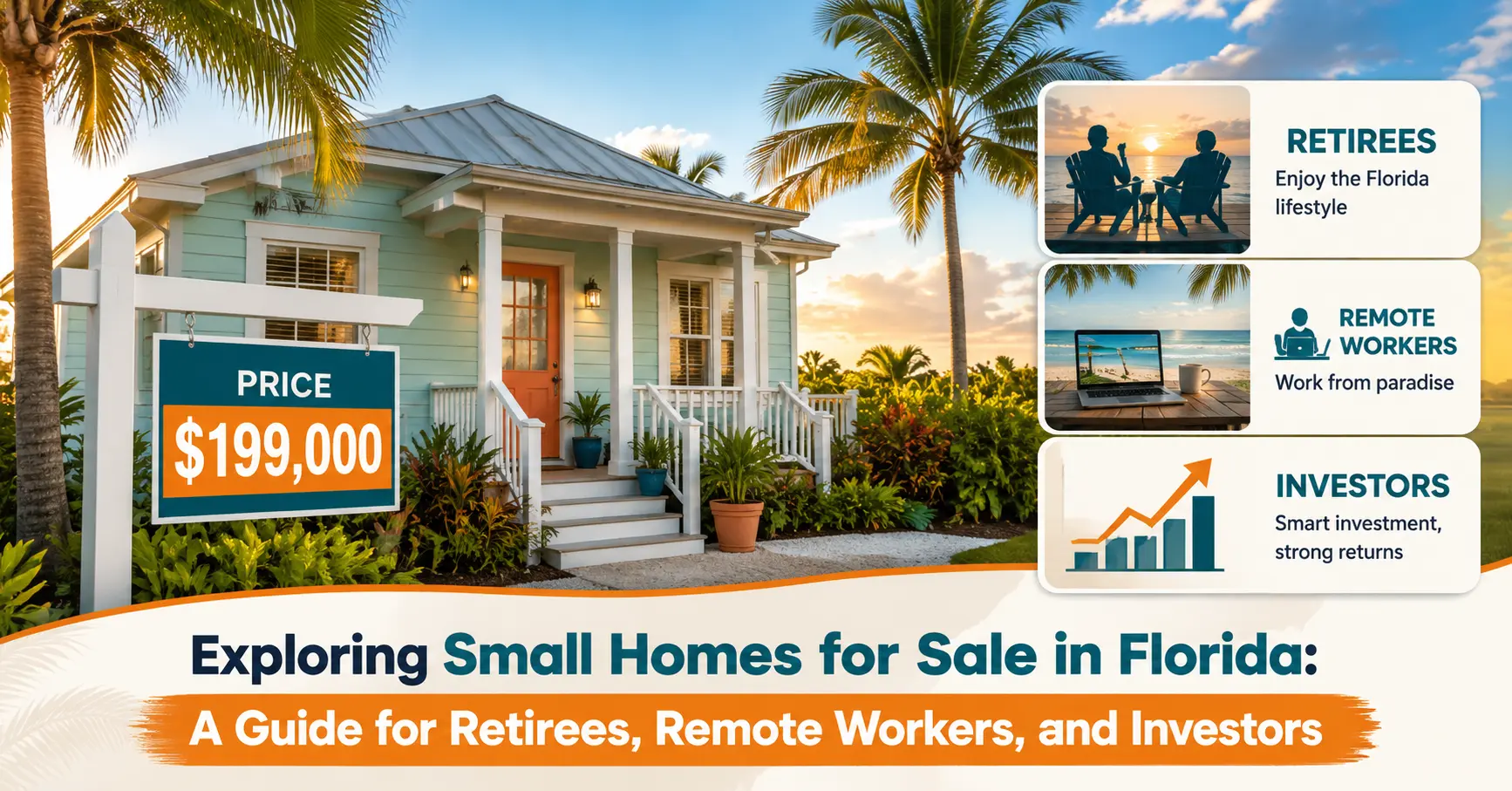
The Appeal of Small Homes in Florida
In recent years, the allure of small homes in Florida has captured the attention of various demographics, including retirees, remote workers, and investors. One of the primary advantages of these homes is their low maintenance requirements. Smaller square footage significantly reduces the amount of time and money homeowners need to dedicate to upkeep, allowing residents to enjoy more leisure activities in the vibrant Florida lifestyle.
Another key factor contributing to the appeal of small homes is their affordability. As the housing market can be challenging, especially for those on fixed incomes or those seeking to maximize their investment potential, smaller homes present an attractive alternative. With lower purchase prices, property taxes, and utility bills, retirees and remote workers can allocate more of their financial resources towards travel, hobbies, or wellness activities, which are essential aspects of enjoying life in this sunny state.
The versatility of small homes also caters to varying lifestyles, making them ideal for diverse populations. Many of these dwellings can be easily adapted for different living arrangements, whether it’s a cozy retirement retreat, a place for remote work, or even a rental property for savvy investors. Features such as open floor plans and multi-functional spaces allow residents to create environments tailored to their individual needs.
Moreover, small homes often align with a trend towards minimalism, promoting a lifestyle centered around experiences rather than material possessions. In a state like Florida, where outdoor living and community engagements flourish, smaller homes provide a perfect sanctuary that resonates with this lifestyle. Overall, as the demand from retirees, remote workers, and investors grows, small homes in Florida represent a practical yet appealing choice, reinforcing their place in the housing market.
Top Florida Cities for Purchasing Small Homes
Florida boasts a variety of cities that cater to potential buyers interested in small homes, making it an attractive destination for retirees, remote workers, and investors alike. Each city listed here offers unique advantages worth considering.
Firstly, Gainesville stands out due to its reasonable cost of living and active community atmosphere. As home to the University of Florida, this city combines educational opportunities with vibrant cultural events, enhancing the quality of life. Small homes in Gainesville are affordable, making it an appealing choice for those looking to invest without breaking the bank.
Another excellent option is Sarasota, renowned for its stunning beaches and rich arts scene. The cost of living here may be higher than in some other areas, but the investment is often justified by the lifestyle it offers. Residents enjoy year-round warm weather, access to outdoor activities, and a welcoming community. Small homes in this region are often characterized by their modern designs and proximity to amenities, making Sarasota an ideal setting for both leisure and convenience.
Fort Myers is another noteworthy city in Florida, particularly for those seeking affordability combined with accessibility. Its developing infrastructure and numerous recreational opportunities, including golf courses and nature parks, attract a diverse population. The real estate market in Fort Myers includes a range of small homes that offer good value, making it an excellent choice for prospective buyers looking for quality living at a reasonable price.
Each of these cities has distinct characteristics that appeal to different needs and preferences. Whether prioritizing cost-effectiveness, cultural enrichment, or recreational facilities, Florida’s top cities for small homes promise an excellent quality of life for new residents.
Understanding the Financial Benefits: Prices and Rental Potential
In recent years, Florida’s real estate market has presented an attractive opportunity for retirees, remote workers, and investors looking to purchase small homes. The prices for these properties have shown resilience, with a steady demand driving values upward in many regions. As of 2023, the average price for small homes in Florida, particularly those under 1,500 square feet, ranges from $150,000 to $300,000, depending on the location. Coastal areas such as Sarasota or Cape Coral may offer slightly higher prices due to their appeal to seasonal residents.
For potential buyers, understanding the price dynamics in relation to market trends is essential. The comparison table below illustrates average prices across various Florida counties:
| County | Average Price ($) |
|---|---|
| Miami-Dade | 280,000 |
| Pinellas | 240,000 |
| Broward | 260,000 |
| Lee | 220,000 |
The rental potential of small homes in Florida is another compelling factor for investors. Properties in high-demand tourist areas can yield rental incomes significantly higher than those in less desirable locations. With platforms such as Airbnb and Vrbo gaining popularity, homeowners can leverage short-term rentals to generate a consistent revenue stream. Some small homes can even provide returns exceeding 10% annually, making them viable options for investors seeking solid returns.
Additionally, the maintenance costs for smaller properties tend to be lower compared to larger homes, leading to savings in both time and money. These characteristics establish why investing in a small home in Florida can be a prudent decision in the current real estate landscape. Given the appealing prices and rental opportunities, there has never been a better time to consider a small home investment in this vibrant state.
Buying Tips: What to Consider When Purchasing a Small Home in Florida
When navigating the real estate market for small homes in Florida, prospective buyers must adopt a strategic approach to ensure a successful investment. One of the first steps in this journey is to assess a property’s value. This involves not only evaluating the listed price but also researching comparable properties in the area, known as “comps.” Understanding the median prices of similar homes, both recently sold and currently listed, can provide invaluable insight into whether a property is fairly priced.
Another critical factor to consider is the location of the property. Florida boasts diverse regions, each with its unique characteristics and amenities. Buyers should contemplate proximity to essential services, such as healthcare facilities, shopping centers, and recreational options. For example, beachfront properties may be appealing but come with higher insurance rates and seasonal fluctuations in pricing. Additionally, areas with strong community engagement and social services may enhance the living experience, especially for retirees.
It is equally essential to comprehend local real estate laws and regulations, which can vary by municipality. Zoning laws, homeowners’ association rules, and property taxes can significantly affect your investment’s long-term value and usability. Familiarizing yourself with these legal facets can help prevent unanticipated complications in the future.
Lastly, engaging with real estate professionals can prove advantageous in the search for small homes in Florida. A knowledgeable real estate agent can provide tailored insights and access to listings that might not be publicly available. They can also facilitate negotiations and navigate intricate paperwork, allowing buyers to make informed decisions with confidence.
By keeping these essential tips in mind, buyers can approach their journey in the Florida real estate market with a clear strategy and an informed perspective, ultimately securing a property that meets their needs and aspirations.